
Collecting Photography as Fine Art
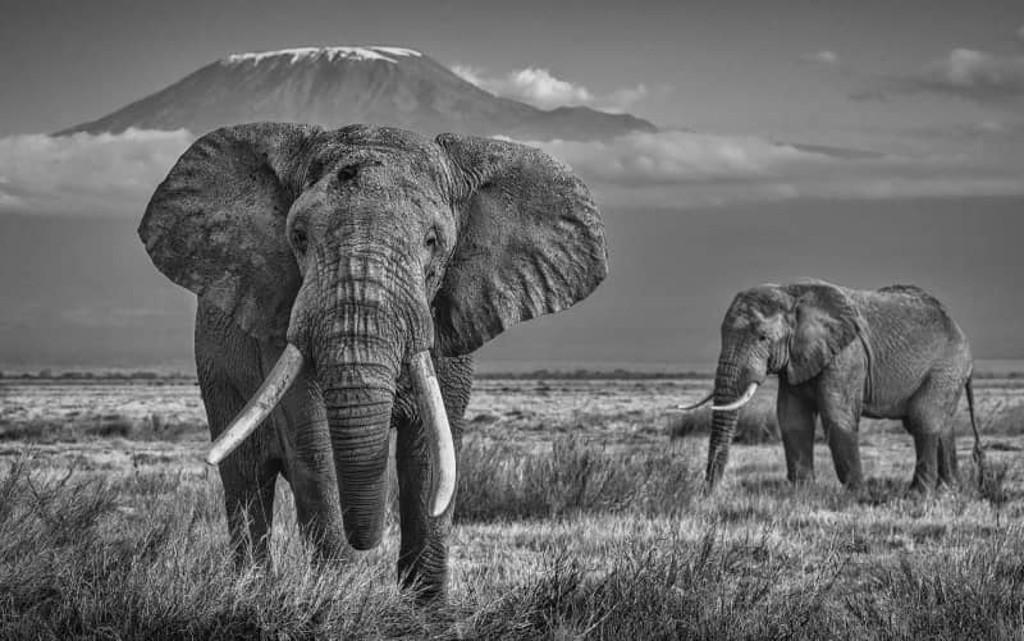
Fine-art photography should be collected as a specific physical object, not only as an image. Printing process, paper, scale, edition, condition, mounting, and artist intent all affect what the collector is acquiring.
Ask how the work was produced: archival pigment print, chromogenic print, gelatin silver print, dye sublimation, or another process. Confirm image size, paper size, frame dimensions, date of printing, signature, edition number, total edition size, artist proofs, printer, and whether other formats or later editions exist.
Condition and presentation deserve close review. Examine the surface, corners, mounting, glazing, mat, frame, and any fading, silvering, abrasion, or moisture damage. In Naples, protect photographs from direct sun, humidity, condensation, and heat. Museum-grade glazing may reduce ultraviolet exposure but does not make poor placement safe.
Request provenance, invoice, certificate when available, exhibition or publication references, and care instructions. Keep digital and physical records with current installation photographs.
Art R us assists collectors in evaluating contemporary photography alongside painting, sculpture, and mixed media. A strong photographic acquisition combines a compelling image with a clearly defined edition, excellent physical condition, and presentation designed for long-term viewing.
