
What Makes an Artwork Museum-Quality
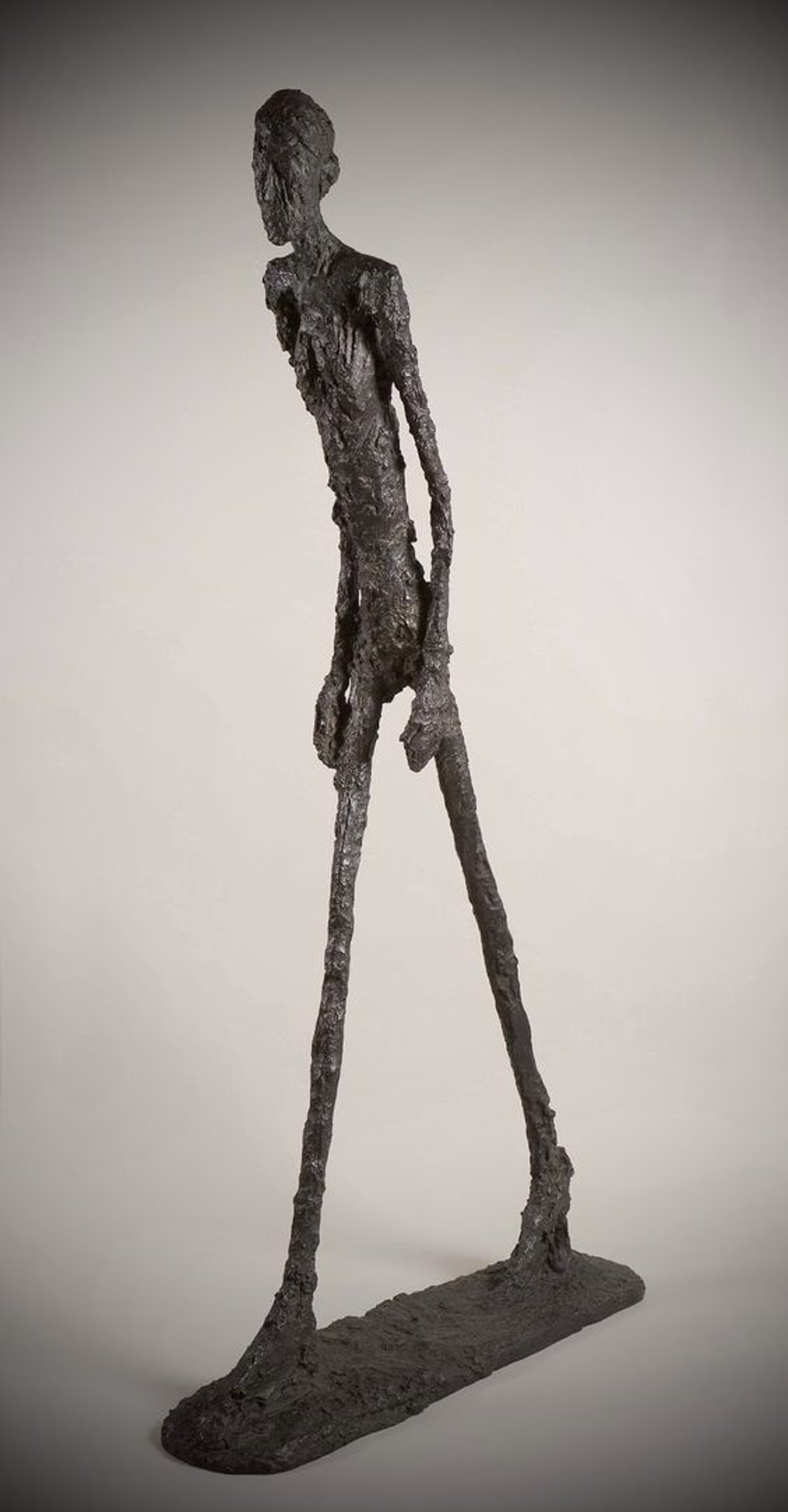
“Museum-quality” is often used as promotional shorthand, but serious collectors should ask what the phrase actually means. No single checklist or price guarantees that a work belongs in a museum collection.
Institutions evaluate relevance to their mission, artistic importance, condition, provenance, authenticity, legal title, conservation needs, exhibition history, and relationship to existing holdings. A compelling work may still be unsuitable for a particular museum, while a privately held work can be exceptional without institutional placement.
Collectors can apply similar discipline without making exaggerated claims. Study the object’s material and execution, its place within the artist’s practice, and the quality of the specific example. Confirm title, date, medium, dimensions, signature, edition status, condition, provenance, and documentation.
For substantial acquisitions, independent specialists may be appropriate. Conservators, appraisers, attorneys, tax advisors, or recognized authentication authorities serve different roles; their conclusions should not be casually substituted for one another.
Art R us presents contemporary paintings, sculpture, and mixed media to collectors in Naples and beyond with factual acquisition information. The better standard is not a vague label. It is a powerful work, a defensible record, responsible care, and a clear reason for its place in the collection.
